Meet the minds behind Mastry: Inside Multiverse's AI engineering team

A chance phone call, a chip shop and a rock band. The story behind our Edinburgh AI engineering team.
Interview with Col Mackenzie, VP, AI Engineering | Part one of three | seven minute read
Multiverse backs human agency: we want to make sure that everyone benefits from AI, not just the frontier AI labs who are building the models. That philosophy is baked into how we've built Mastry, our adaptive learning platform that builds AI skills in the flow of work, inside the apps people already use.
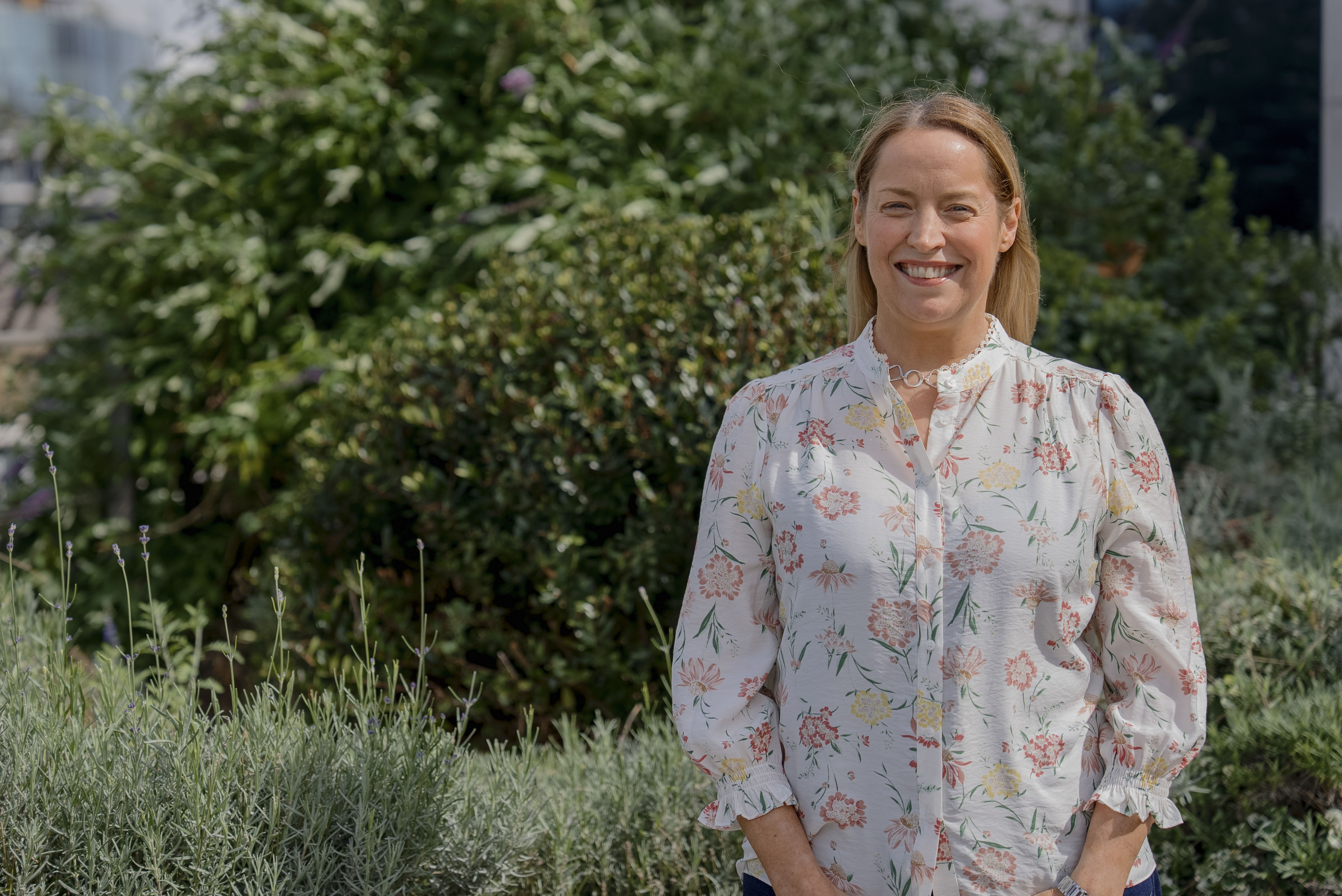
Behind Mastry sits an AI engineering team across Edinburgh and London, which Col Mackenzie, VP, AI Engineering, leads. We sat down with Col and asked him how his team came together, who they are and what makes them different.
This is part one of a three-part series. Part two will cover how the team hires and works. Part three will explain how they built Mastry, including what they learnt along the way.
In short: Multiverse's AI engineering team grew from one chance phone call. The team runs without hierarchy and hires for talent wherever it hides. Its leader worked as a professional magician for years, and its people include a member of the band Anchor Lane and an engineer who joined straight from a chip shop.
Let's dig into it.
As the leader of our AI engineering team at Multiverse, what does your role involve?
My job is to build every part of our AI engineering capability: the platforms we create, the software development lifecycle we follow and the culture that makes a team perform at a high level. I also lead our Edinburgh AI hub, and I want it to be the most appealing place to work in tech in Scotland.
There's one key idea behind my approach to leadership: to improve my own work, I need to be around people who are better than me. I know that I can learn something from everybody, whatever their background or seniority. I've had a varied career, and living and working alongside very different people proved that to me.
Why did Multiverse build an AI engineering hub in Edinburgh?
Jay Richman, Multiverse's Chief Product & Technology Officer, called me to ask if I'd consider this new role heading up the AI Engineering team. It was my first week of paternity leave in my previous role, and I wasn't looking to change jobs. But the problem Multiverse is tackling appealed to me. If we do our job right, we're building a product that will have a generational impact on the economy and society, making sure that technology works for people, not against them.
Then Jay mentioned three days a week in London. I have a family and I wasn't moving, so I made him an offer: open an office in Edinburgh and I'll run it. He came back the next day and agreed.
Scotland has a large, untapped talent pool, with strong AI-focused universities and a lot of research. More people are moving north for a different pace of life. I also had a good contact book of engineers, so we bootstrapped the hub quickly. Word spread from there.
The Edinburgh engineering team doesn't do anything different from the London team. We are one engineering team, working towards a common goal.
How do you build a team where everyone can contribute, whatever their seniority?
For me, there is no hierarchy, and that is hard to build. Someone told me recently that they weren't sure they could come to me directly. They thought they had to go to their boss first. I said, why would you? It doesn't matter if you're a junior engineer in a different part of the business. Come and talk to me.
Everybody makes a unique contribution, and the hidden gems often sit in unexpected places. That has held true throughout my career. It carries over neatly into software, because there are so many perspectives on how you build a product.
What did a career as a magician teach you about leading a team?
I still call myself a magician! I worked at it professionally for a long time: magic, hypnosis and pickpocketing (though I always gave everything back!). It taught me more than any other role I've had. I learned how to deal with stakeholders, how to deal with all kinds of people and how to manage under pressure. There were so many transferable skills.
Who is on the team, and what might surprise people?
Most of the Edinburgh office plays an instrument: bass guitar, drums, piano. Nobody sings, so if you can, you're welcome to take the stage…
One of our AI managers is in a band that's played Download Festival, one writes orchestral music; another used to play in a hard rock band.
Another member of the team can build almost anything. Years ago, before having access to AI, he wanted a 3D printer and couldn't buy one. So he researched the components, ordered a pile of electrical parts and built one from scratch. That's famously difficult to do.
Why does Multiverse hire junior AI engineers?
We're an upskilling company, so we should invest in the next generation. When I joined, the industry trend was not to hire juniors. I wanted the opposite. I was a mechanic once, and I learned from a proper journeyman (a skilled tradesperson in the field). I wanted to test that model in tech: pair a junior engineer with a high-performing senior and see if we can incubate their skills.
Then I got a message on LinkedIn from someone who was finishing his degree, asking if I had a job. I get a million messages like that, but his was good, so we spoke. He went through our full hiring process and smashed it. His only previous job was in a chip shop. Now he works in one of the best AI roles in the country, and he's exceptional.
How do those backgrounds show up in the work?
They think around corners. Give anyone on the team a problem and they find a creative route to it. That's what I like about solving problems in the office. If we stand at a whiteboard, there isn't a problem we can't solve, because someone has usually sketched out a whole solution and said, let's just try that. The ability to pull a solution apart and put it back together is very strong. It's fun, too.
Will AI replace people, and how does that shape the way you build Mastry?
Humans can be augmented with AI, as they have been with other technology. The industrial revolution let us manufacture faster. Well, AI lets us do knowledge work faster. You effectively have an expert you can ask anything, at any time, and you can hand tasks to it. But it still needs a huge amount of human context and judgement to get the best from it.
I think AI replacing people is unlikely, but AI replacing some work is certain. The transition will be the difficult thing to get right: people need to understand how their work changes when they can use AI to remove repetitive manual toil. That frees them for higher-level tasks and strategic thinking. What you do with the time back is up to you.
Why does the team behind Mastry matter to the people who use it?
Mastry exists because Multiverse backs human agency: we make sure workers benefit from AI, rather than just the frontier labs who build it. An engineering team that values varied backgrounds, invests in junior talent and listens to anyone with a good idea is the team most likely to build for every kind of user, including people who feel unsure about AI. That is how the team approaches Mastry.