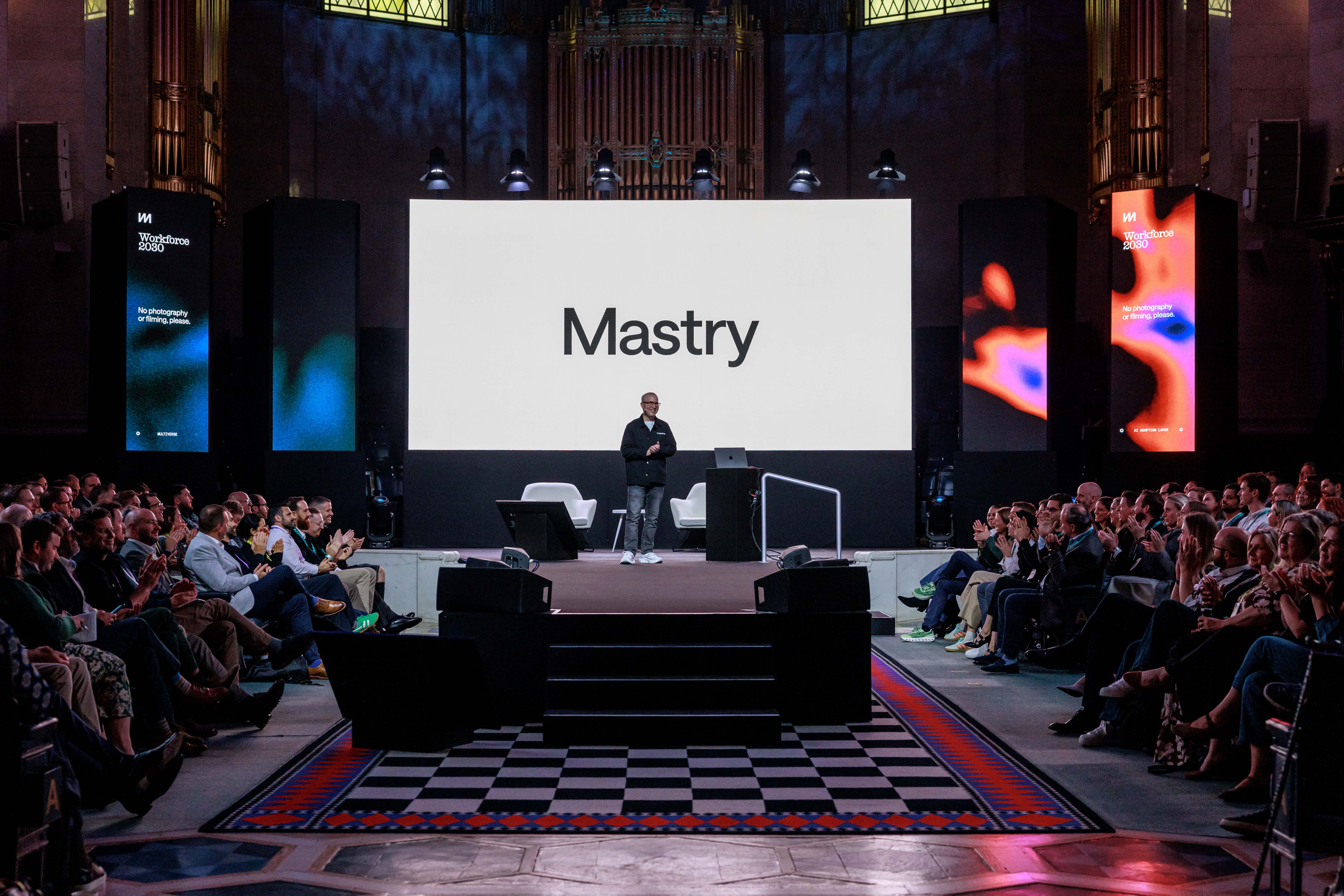

From AI ambition to operational change in UK rail: up to 95% of pilots fail, so what works?
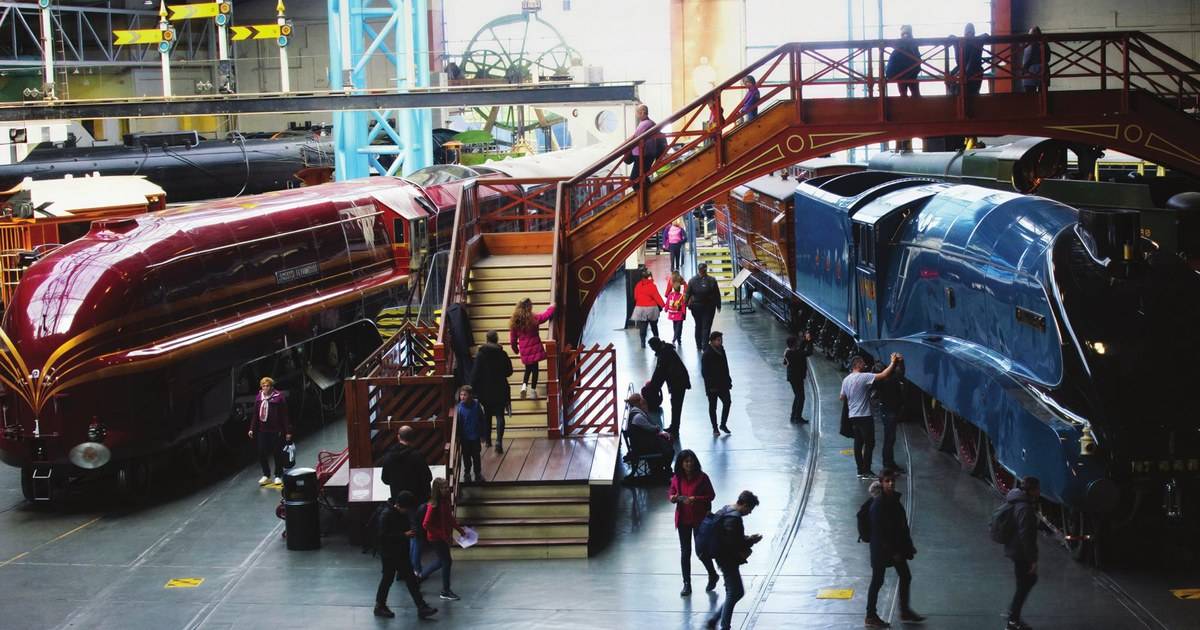
Senior leaders met in York to work out why AI pilots stall, and what the sector should do differently.
Multiverse and Transport for Britain brought senior leaders from the private sector, the public sector and politics to the National Railway Museum for a closed-door roundtable on one big question: how do you move from AI ambition to AI adoption?
Rail has no shortage of AI ambition. Turning it into operational change is the hard part, and the evidence is clear: around 95% of AI pilots fail. At the National Railway Museum in York, delegates met under Chatham House Rule to work out why, and what the sector should do differently. Dr Laura Gilbert CBE gave the keynote, Peter Longman of Transport for Britain set out the sector's wider ambitions, and Alan James gave an inspirational peek at Hyperloop.
The venue suited the question. The museum is a global benchmark for heritage rail conservation and a custodian of industrial innovation, with roots in the 1968 Transport Act's consolidation of Britain's retired mainline steam assets. Delegates debated the next chapter of rail's engineering story among the exhibits that tell the earlier ones.
Start with the problem, not the technology
Most pilots fail for the same reason: teams start with "let's use AI" instead of a problem worth solving. Handing every employee a Copilot licence changes nothing on its own.
Start with a different question: should this process, project or programme exist at all? If so, ask how AI can speed it up or change it. If not, AI will not rescue it. Either way, anchor the work in a real operational challenge, define what success looks like and decide how to measure it. The rule that stuck: "Don't start with AI being the answer."
Six questions to ask before building
- Do you know what the problem is?
- Can you build a solution for it?
- Do you have the right people?
- How will you monitor it and prove the return?
- What are the benefits, and who gets them?
- Can you deliver it?
One test overrides the rest: was it built with the people who own the problem? A strong business case will not save a project that lacks influence, or one designed without its users in mind.
People decide whether AI is adopted
Adoption depends on practical skills, and on employees who feel empowered to use AI in their day-to-day roles. It also depends on focus. On the diffusion of innovation curve, innovators and early adopters carry the change, and the rest follow, or never will. Win those first, then use AI to help people decide and act.
One technique worth borrowing: AI agents for each group affected by a decision, then test every scenario against all of them. Teams surface objections and pressure points before the idea reaches real people. AI becomes a rehearsal space for difficult decisions, not just a faster source of answers.
Collaboration scales what works
Rail and transport organisations face many of the same challenges, so there is little reason to tackle them alone. Sharing knowledge and working across organisations speeds up innovation and helps the sector scale what works. Radical transparency is the aim: the closer organisations get to it, the more freely they can share what works and what does not. Partnerships between organisations are opening up a new market, and the prize is a public sector that uses everything AI can offer.
Transport for Britain's vision gives that collaboration a destination: a fully integrated and sustainable network of roads, railways, cycleways, pathways and waterways that meets the current and future transport needs of the UK population. That is why the conversation reached beyond rail. A joined-up network needs joined-up skills.
Beyond productivity gains
The biggest opportunity goes beyond productivity. Used well, AI can improve the reliability, efficiency and quality of services for the millions of people who depend on Britain's railways.
What the room said
The ambition in the room matched the stakes. Transport is critical to everyone in the UK, and the leaders at the table, with others who will join them, are shaping its future vision, not just discussing it. Their candour made the session: delegates traded real experience of what works, what stalls and why. One theme ran through every contribution. AI is a people challenge and a cultural challenge, and across the sector the technology is often ready before the organisation around it is.
Ultra high speed ground transport
Alan James gave the room an inspirational peek at Hyperloop and Ultra High Speed Ground Transport (UGT). A former Vice President for Worldwide Business Development at Virgin Hyperloop One and CEO of the UK Ultraspeed maglev project, he now advises governments on multi-decade infrastructure investment and is widely acknowledged as one of the world's leading experts in UGT. His talk put the day's question in a longer frame: the decisions made now will shape UK transport for decades.
What happens next
The technology is working. Adoption depends on people. The group will reconvene in the new year to focus on the AI use cases already making a measurable difference in transport, sharing both the wins and the lessons learnt. Multiverse is bringing apprentices from right across the sector together to upskill in Data and AI as part of a united rail cohort, the first of its kind in UK rail, with content customised for the sector. Co-sponsored by Transport for Britain, the cohort will turn that shared ambition into skills.